
How to shoot a 50-person team headshot day without it falling apart
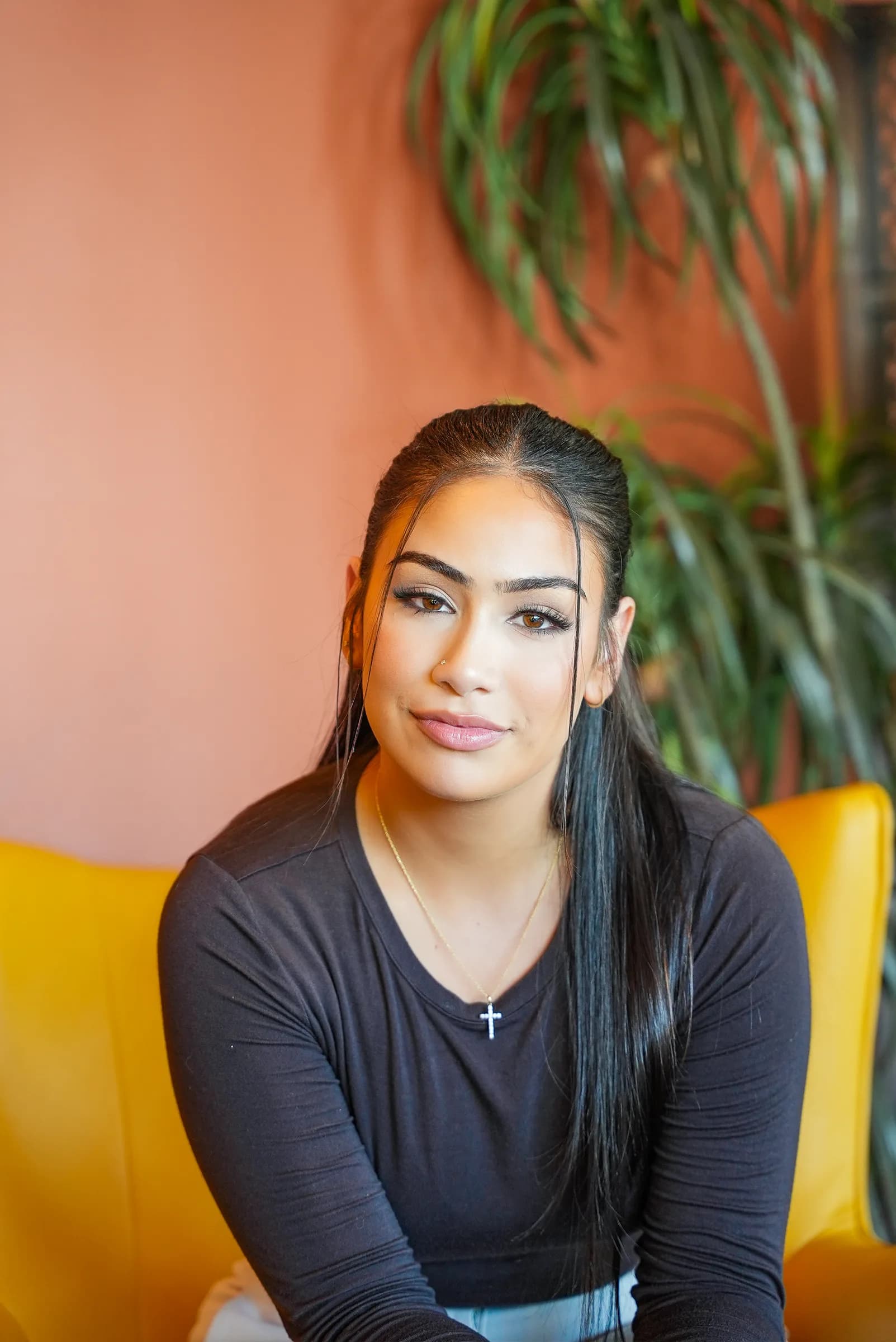
We have shot enough corporate headshot days to know exactly when one is going to go sideways. It almost never has anything to do with the camera. It has to do with the schedule.
On paper, a 50-person team headshot day looks simple: one photographer, one location, a list of names. In practice, the difference between a session that wraps on time with consistent images and one that takes 10 hours and produces a gallery the marketing team has to apologize for comes down to a few specific operational decisions made before the photographer ever pulls a card from a camera bag.
The math nobody does first
Every headshot day starts with the same false assumption: 'we have 50 people, give them 5 minutes each, that is 4 hours.' That math is wrong, every time. Here is the real math:
- Setup: 30 to 45 minutes for lights, backdrop, and color reference shots before the first person sits down.
- Per-person time: 6 to 8 minutes including the seat-and-settle, posing, expression direction, and a verification preview.
- Buffer for late arrivals, wardrobe issues, and the executive who needs three options: 15-20% on top of total.
- Tear-down: 20-30 minutes to pack and color-check the day's selects on the laptop before leaving.
For 50 people, that lands closer to 7 to 8 hours, not 4. Companies that do not budget for that end up either rushing the last 20 people (whose headshots will look noticeably worse) or paying a half-day overage they did not see coming.
The schedule format that actually works
We send every client the same single-tab spreadsheet template before a team headshot day. It has four columns: name, time slot, wardrobe color, and a yes/no for whether the person has been photographed before. Then we do something most teams forget: we batch by wardrobe.
Why batching matters: every wardrobe change in the chair means a re-light check. If the next three people are all wearing dark suits and the fourth is wearing a white blouse against a similar backdrop, that wardrobe order will cost you 90 seconds of light tweaking per swap. Across 50 people, that is an extra 30-45 minutes — a meaningful chunk.
We sort the schedule so people with similar tones go in clusters. The session moves faster, the gallery is more visually consistent, and color grading in post takes a fraction of the time.
The two questions every employee should answer in advance
- Have you been in this gallery before? (If yes, do you want a fresh look or to match the existing style?)
- Will you wear a solid color, ideally avoiding bright white, true black, or busy patterns?
These two questions, sent in the calendar invite, eliminate roughly 80% of the on-the-day issues. The other 20% are the people who show up in patterns or arrive 12 minutes late — and you cannot script around all of it. A good photographer can adapt; the schedule should give them room to.
Lighting choices that scale
The temptation on a corporate headshot day is to over-light the setup — three softboxes, a hair light, a kicker. It looks great in the test shots. By person 32, half the lights are off because they ran out of battery, the kicker is out of position because someone bumped the C-stand, and the gallery starts to look inconsistent.
Our standard is one large key, one fill, and a clean backdrop. It is the most boring lighting recipe in the book, and that is exactly the point. It is repeatable, it does not break, and it produces 50 frames that match each other across an 8-hour day. The dramatic environmental portraits we save for the executive team session, where there are 5 people and 2 hours and we can take the time to set them up properly.
Direction is more important than the camera
The single biggest variable in headshot quality is not lens choice or sensor size — it is whether the photographer can get a real expression out of someone in 30 seconds. Most professionals froze for their last headshot. The trick is to never let the conversation become about the photo.
We ask people about something concrete: a recent project, a vacation, a kid's name. Three real sentences in, the eyes change, the mouth softens, and you take the shot in that window. It works on CEOs the same way it works on first-week interns. The skill is not getting the camera to behave — it is getting the human to.
What to deliver, and how
For a 50-person session, we deliver every person 4-6 retouched frames, color-corrected and exported in three formats: a high-res square crop for LinkedIn and internal directories, a horizontal frame for press kits, and a vertical 4:5 for any social usage. Total gallery sits around 250-300 final images, delivered in 5 business days.
We also deliver one consolidated 'team grid' image — the full team in a single tile — which becomes the most-used asset out of the entire shoot. About 70% of clients use it on their About page within a month.
Written by
Evelio Manzano
Co-Founder & Director of Photography, Clearline Production